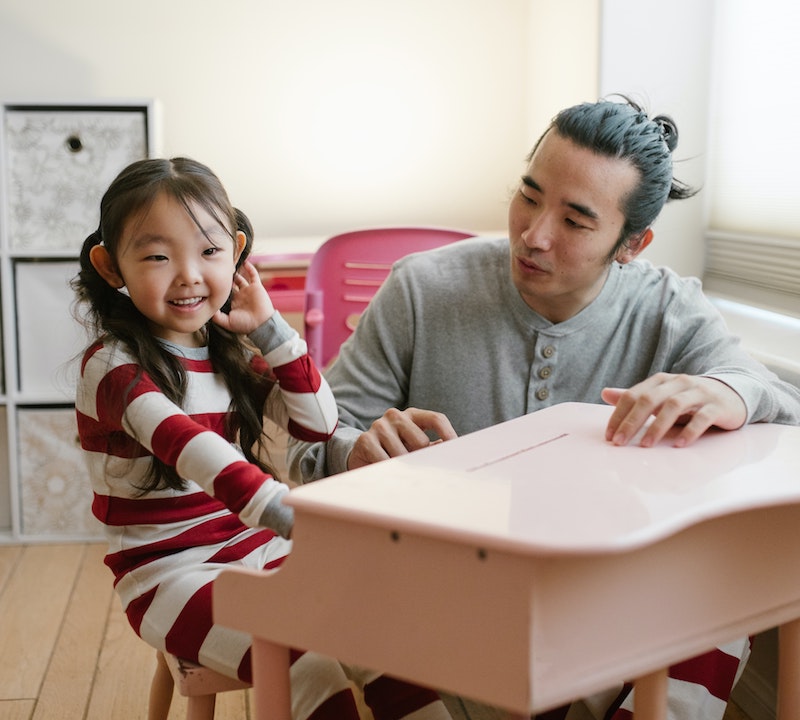

Since children’s piano lessons are often quite short, cultivating a musical environment at home is essential to a child’s musical development. Children that come from homes where they listen to a lot of music, sing, dance, etc… often have a much easier time learning an instrument – big bonus if somebody in the family also plays or sings!
Here’s a few games that I use in the lessons and you can try at home. They are designed for the child to learn while having fun and are also great at promoting parent-child interaction. Check out the list and pick the ones you and your kid likes the most!
Rhythmic imitation
Simply clap something and have your child clap it back. Start with something short and easy before you start increasing the complexity or length of the rhythmic phrase. I also recommend reversing the roles which encourages your child to improvise and come up with their own rhythms!
Variations:
- For a more advanced and fun version of this exercise try to drum on different parts of your body (aka “body percussion”).
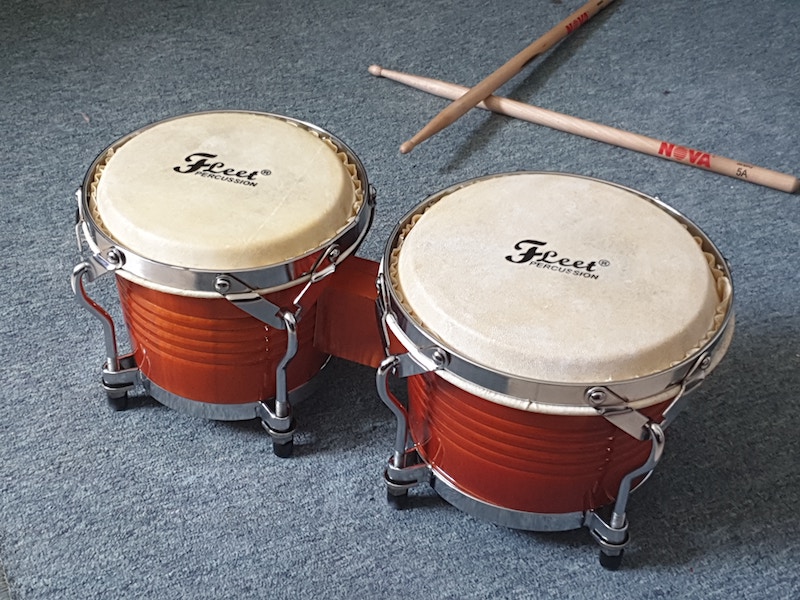
- You can also use a percussion instrument such as a djembe, bongo, conga or anything you have around the house that can make a sound!
Melodic imitation
This one really helps stimulate your child’s ear to instrument connection.
Play a simple melody on the piano using only the notes C, D, E, F and G and have your child listen to it first (with eyes closed) and then play it back. Begin very simply with only 2-3 note melodies starting on C using repeated notes and simple stepwise ascending/descending motions. Let them know the starting pitch and have them figure out the rest. Now try the same exercise, starting on G, or E. Stay away from skips in the beginning, you can always add those in later!
Variations:
- Once again, reversing the roles will encourage your child to improvise and come up with their own melodies.
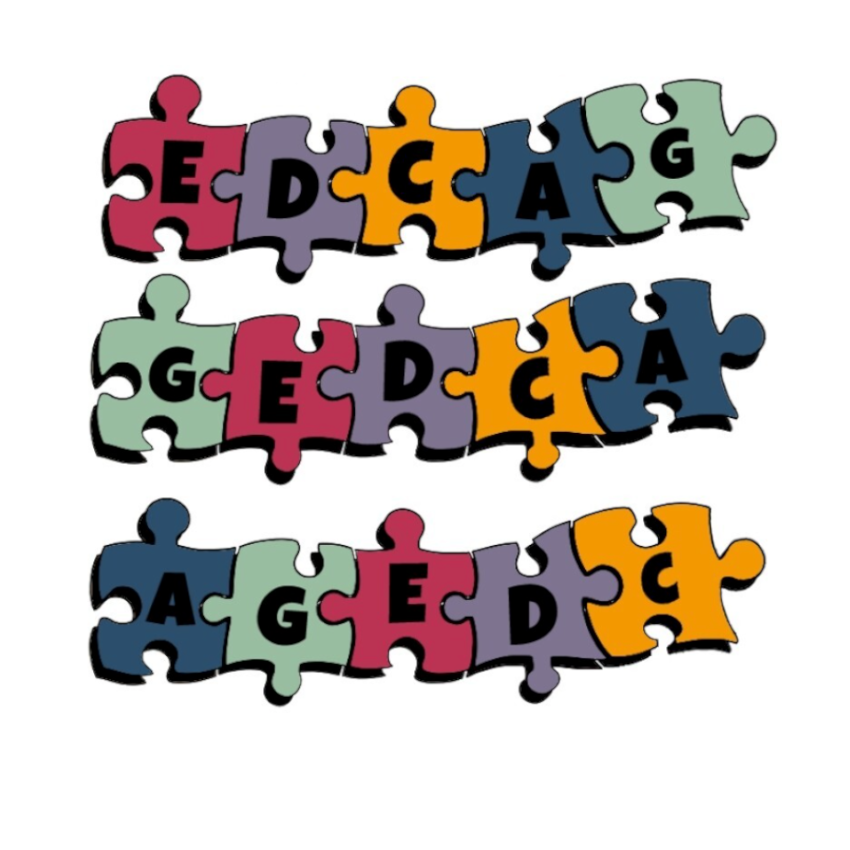
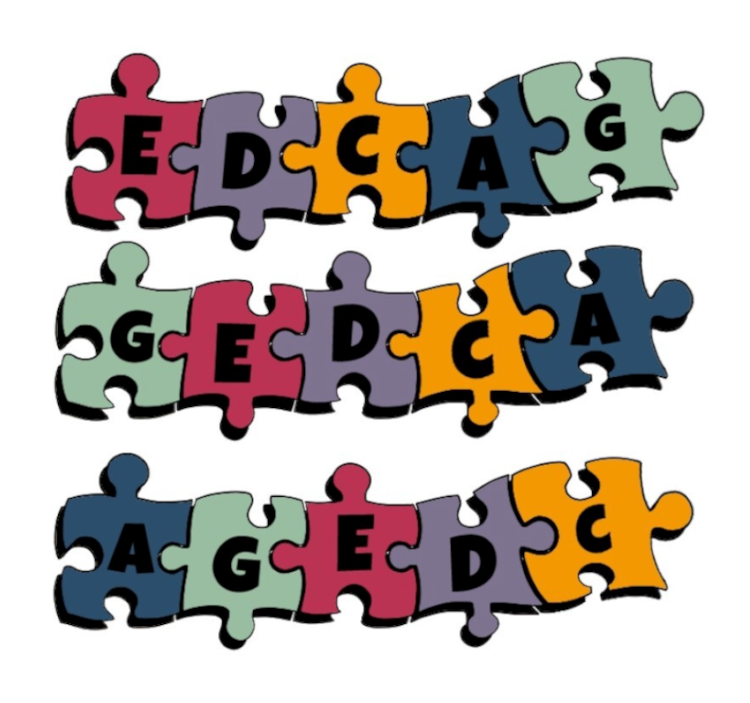
- Try it with a different group of notes such as: A, B, C, D, E
Find the beat
In music, the beat is a bit like the ticking sound of a clock, or your heartbeat – it’s the steady pulse or rhythm that you find in almost all popular music. This is what people clap to, tap their foot to or dance to – it’s the groove of the song!
Just like your heart, the music can have a slower, relaxed beat or a faster and more energetic one.
Put some music on and try clapping along to the song with your child. If you’re clapping at a steady pace you’ve found the beat of the song. 80s music, house/dance music and rock music is generally good for this as the drums are often very simple and percussive.
Tips:
- Give it time! Many kids take months before developing a good sense of rhythm. At some point something will click and they will get it!
- Sometimes it can help to know what to listen for: focus on the drums and maybe even try to beatbox them 🙂
- If your child is having trouble, first have them close their eyes so that they can focus better on what they’re hearing and have them listen to you first before joining in with you.
- It’s best not to explain too much: children learn best through imitation. They need to feel and experience things!
Variations:
- You can also “trade 4s” which means that you clap 4 beats followed by your child clapping 4 beats.
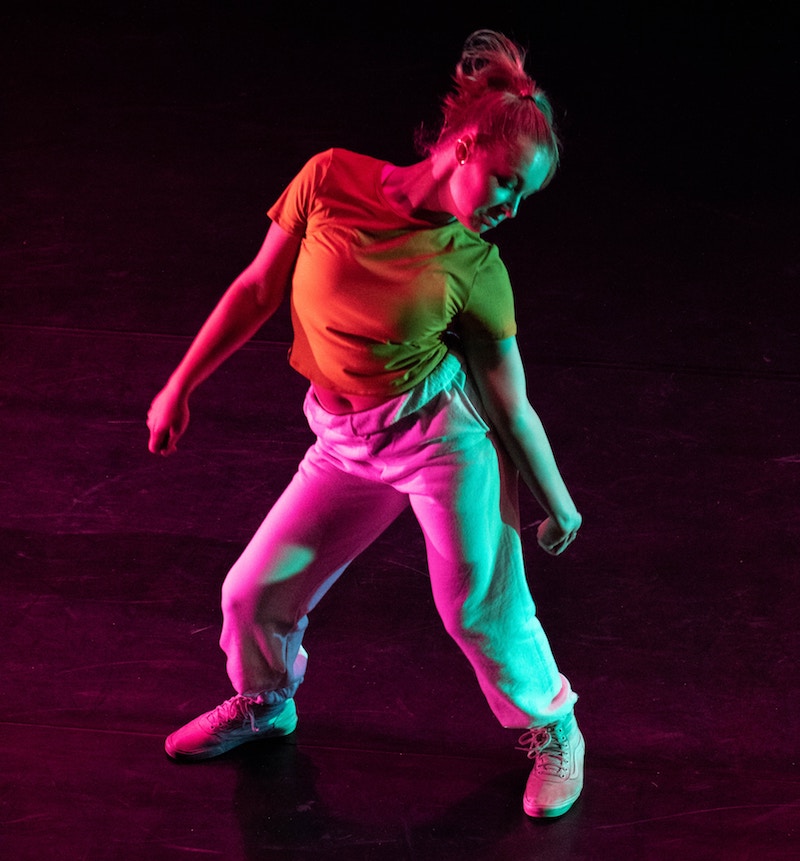
- Once your child is getting the hang of clapping they can tap their foot or step to the beat of the song, or even dance!
Learning the notes
Let’s try and spell some common words using the notes on the piano. Playing this game will help your child practice the names of the notes on the piano and they will have them memorised in no time! Here’s some ideas to get you started:
dad, bad, fade, age, cafe, badge, baggage, ace, egg, face, beef, bag, cab, bed, beg, cabbage
Tips:
- For more word ideas check out this link.
- You can also write the words on paper and create your own deck of cards you can use anytime you’re playing the game!
- I really recommend watching this video to learn the names of the notes.

Impressionistic improvisation
Here’s the easiest way I know for anyone to sound great at the piano:
Start by finding the sustain pedal and keep your foot on it so that the piano holds the notes you are playing. In it’s most basic version you can play with just one finger in your RH (right hand) and with the pedal holding the notes, you and/or your child will be creating some interesting musical textures. As long as you stick with the white notes (or the black notes) anything you play will sound amazing!
Variations:
- Try it with the LH (left hand) and RH together, still just 1 finger/hand and stick to the white (or black) notes.
- You can also play this game together using one hand and one finger each 🙂