It’s easy to pay attention to the singer, guitar riffs, horn sections, synthesisers, etc… but many of us struggle with the bass. In this article we will explore the important role of the bass in pop music, familiarise ourselves with it’s sound and work on some strategies to improve our “bass ear”.
Hello it’s me, the bass!
The electric bass (or bass guitar) is probably the most common bass instrument in pop music but we also have the synthesizer bass, which is very common in 80’s music or today’s chart toppers. Sometimes you might even hear an upright bass, especially in more acoustic genres. Although each of them has it’s own individual sound, they all perform the same role of providing the harmonic foundation for the music.
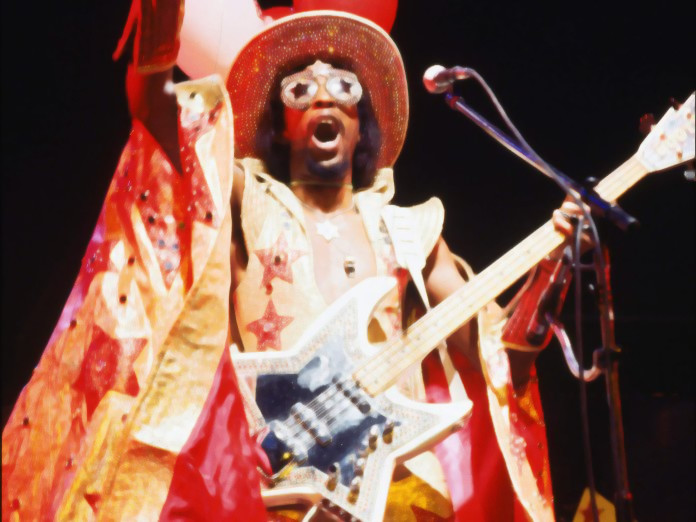
The Electric Bass
Listen for the electric bass coming in @ 0:19 playing the same riff as the electric guitar in “Stir it Up” by Bob Marley:
The Upright Bass
“Come Away with Me” by Norah Jones features an upright bass playing a very basic bass line:
The Synthesizer Bass
The synthesizer bass can produce a great variety of sounds. Here is a good example with Whitney Houston’s “I Wanna Dance With Somebody” @ 0:04:
The bass is the key to figuring out chords by ear
When figuring out chord progressions, the bass is your friend because it plays the roots of the chords. Listen to the bassline for “With or Without You” by U2. Here, the bassist is perfectly outlining the chords by playing only the roots in a continuous 1/8 note pattern: D D D D D D D D A A A A A A A A B B B B B B B B G G G G G G G G
Chord progression: D | A | Bm | G
“With or Without You”, bass comes in @ 0:09:
“With or Without You”, isolated bass track:
Basically, chords usually change every 2 bars, 1 bar or 1/2 bar. And every time the chord changes, the bassist job is to play the root! Sometimes, the bass player will ornament the bassline by adding extra chord tones (usually the octave and the 5th) or passing notes to connect the chords such as in “Dreams” by Fleetwood Mac. Here, the important notes (the roots) are F and G which are always played on beat 1 of each bar, with little “fills” in between.
Chord progression: F | G
Dreams, full song:
Dreams, isolated bass:
We can figure out chords by listening for the roots and simply try a major or minor chord shape over each of the roots to see which one sounds best!
Now that we understand the bass’ role in music how can we learn to hear it better?
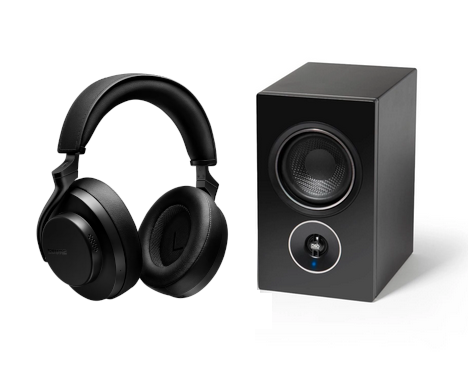
Listen with good speakers or headphones
First of all, you can’t hear it if it’s not there! Our modern devices (phones, tablets and small bluetooth speakers) are not very good at accurately reproducing the low frequency content (the bass) in music. If you can’t hear the bass very well it might not be your ears… you might just need to invest in a good pair of headphones or some decent HiFi speakers!
Isolated bass tracks
First you need to get used to the sound of the bass so that you are able to pick it apart from the other instruments in a song. I’ve created a YouTube playlist with a few songs and their isolated bass tracks just for this.
Listen and sing along to the isolated bass part to get a feel for it, then listen to the original song and focus your attention on the bass. Think of the bassline as a melody, just like the vocal of the song!
Sing along to your left hand
As pop piano players, we usually play the roots of the chords in our left hand, most of the time in the form of single notes, or octaves. Sing along to your left hand to learn the root movements to the songs you’re working on. Learning the root movements as a melody will not only start developing your ear for low notes but also help you memorise the chord progressions.
Watch bass players live:
Start paying more attention to the bass player when you are going to gigs or watching a gig on TV. Watching how the fingers move on the instrument will help you connect to the sound that they are making on the instrument.